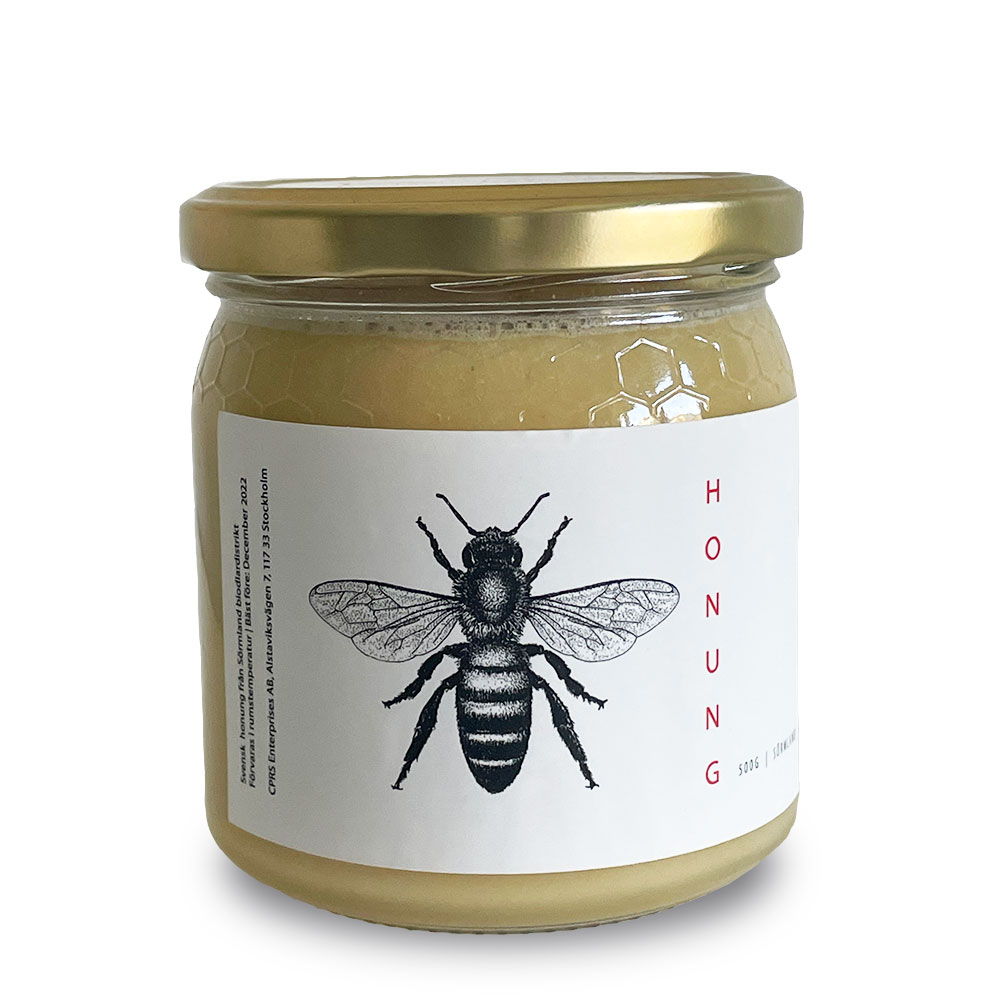

Honey is not like sugar
When bees produce honey, the molecules are transformed into glucose and fructose, reducing the need for our bodies to do this work. This leads to a gentler effect on blood sugar levels.
In contrast, with regular white sugar, the body must first separate the molecules to extract energy, which increases blood sugar levels.
Although honey contains more calories than regular sugar, it doesn’t necessarily contribute negatively to the body. Honey is sweeter than sugar, so only a small amount is needed to achieve the same sweetness. This results in lower calorie intake compared to using sugar to reach the same level of sweetness.
Promotes Growth of Important Gut Bacteria
There are more reasons to replace regular sugar with honey. Research shows that honey can prevent the growth of harmful bacteria in the gut while promoting the production of beneficial ones. It is important to use raw and natural honey.
Improves Memory and Reduces Anxiety
Though research is still limited, studies suggest that honey’s active compounds may help stimulate the nervous system and brain function. It has been shown that honey may improve memory and might even have anxiety-reducing effects.
Soothes Sore Throats and Coughs
When discussing colds, many people automatically think of honey. This is due to its natural anti-inflammatory and antibacterial properties, which have been used for generations as a home remedy for coughs and sore throats. In a study involving children* with respiratory infections, just two tablespoons of honey before bedtime contributed to reduced coughing and better sleep.
*Children under one year should not consume honey or products that may contain honey due to the risk of infant botulism, a potentially life-threatening illness.
Sleep Well with Honey
Many people struggle to wind down before bed and often wake up feeling unrested. It might be worth trying a cup of warm milk or herbal tea with honey. This drink promotes a steady increase in insulin and the release of serotonin, which is then converted into melatonin, the hormone responsible for regulating sleep.